

Health Indicators for Autoimmune Stem Cell Therapy
Stem cell therapy for autoimmune diseases relies on key health indicators to predict treatment outcomes. These indicators include patient age, disease severity, and immune system markers. Younger patients (under 35) and those with early-stage disease often see better results. Inflammatory markers, such as cytokine levels, and immune profiles also play a role in determining success. stem cell source and storage quality significantly impact therapy effectiveness, with cord blood and mesenchymal stem cells offering distinct benefits. Proper pre-treatment evaluations and stringent cell preservation protocols are essential for improving survival rates and reducing risks.
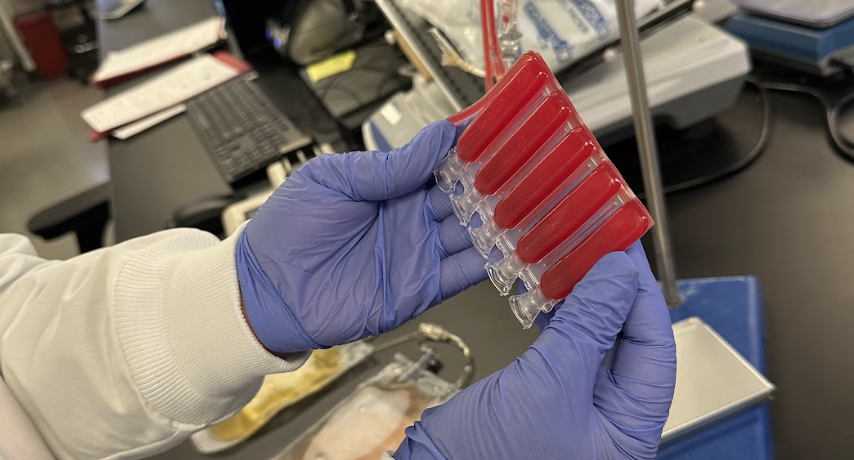
Key Health Indicators Affecting Autoimmune Stem Cell Therapy Success Rates
Key Health Indicators That Affect Treatment Success
Patient Age and Overall Health Status
When it comes to stem cell therapy for autoimmune diseases, age is a major factor. Patients under 35 years old tend to have much better progression-free survival rates. Why? Younger individuals usually have more active thymus glands, which are essential for producing healthy T cells.
Overall health plays an equally important role. For instance, in multiple sclerosis (MS), patients with an EDSS (Expanded Disability Status Scale) score of 5.5 or lower see far better outcomes. Advances in patient screening have also made a big difference. By focusing on younger and less disabled candidates, non-relapse mortality in MS has dropped from 3.6% to just 0.2%. Similarly, improved cardiac screening in systemic sclerosis has reduced transplant-related mortality from 10% in early trials to between 3% and 6% in more recent studies.
"Younger patients, shorter duration of disease, lower EDSS scores, active inflammatory disease, and absence of other co-morbidity have been associated with favourable outcomes." - EBMT Autoimmune Diseases Working Party
These findings highlight how both age and overall health set the stage for success, but disease-specific factors also play a critical role.
Disease Severity and Duration
Timing is everything in stem cell therapy. The treatment is designed to reset the immune system, making it most effective during the active inflammatory phase - before permanent damage takes hold. A 2024 study from Uppsala University looked at 174 MS patients and found that treatment-naive individuals experienced zero confirmed disability worsening events over a median follow-up of 5.5 years. By contrast, patients with longer disease histories faced worse outcomes.
For those with relapsing-remitting MS, the 5-year progression-free survival rate ranges from 73% to 90%. However, for patients with progressive forms of the disease, that figure drops to just 33%. Each additional year of disease increases the risk of disability worsening by 1.09, while indicators of active inflammation, like gadolinium-enhancing lesions, reduce this risk significantly (to a ratio of 0.08).
"AHSCT appears to be most effective at preventing long-term disability when used earlier in the disease, emphasising the importance of timely referral and treatment." - Dr. Joachim Burman, Department of Medical Sciences, Uppsala University
These statistics underscore the importance of acting early, before irreversible damage occurs.
Inflammatory Markers and Immune System Profile
Beyond age and disease history, a patient’s immune system profile provides valuable insights into potential treatment outcomes. Inflammatory markers and immune cell composition reveal how well stem cell therapy might work. The goal of treatment is to shift the immune system from a pro-inflammatory state to an anti-inflammatory one. This involves increasing regulatory T cells (Foxp3+ Treg) and regulatory B cells, which help maintain immune balance. A diverse T-cell receptor profile - a sign of a robust new immune system - also strongly correlates with lasting remission and clinical success.
Biomarkers are critical for tracking progress. In MS, Neurofilament Light Chain (NfL) levels in cerebrospinal fluid serve as a marker for ongoing nerve damage and typically drop after successful therapy. For Type 1 Diabetes, the frequency of autoreactive CD8+ T cells before transplant can predict how long patients stay insulin-independent. In the HALT-MS trial, 91.3% of participants achieved progression-free survival at 5 years. Mechanistic analysis revealed the emergence of CD31+ cells, a sign of effective thymic renewal. Together with age and disease-specific metrics, these biomarkers provide a comprehensive picture for predicting treatment success.
How Stem Cell Quality and Source Affect Outcomes
When it comes to treatment success, the quality and source of stem cells play a critical role, alongside patient health metrics.
Cord Blood and Mesenchymal Stem Cells
The source of stem cells significantly impacts treatment outcomes. Two commonly used types are Hematopoietic Stem Cells (HSCs) derived from cord blood and Mesenchymal Stem Cells (MSCs) from cord tissue. HSCs help reset the immune system by replacing the existing maladaptive immune response with a new, self-tolerant one after chemotherapy. This approach has been validated by over 40,000 cord blood HSC transplants, particularly in treating refractory relapsing-remitting multiple sclerosis.
MSCs, on the other hand, are harvested from cord tissue (specifically Wharton’s jelly) and function differently. Instead of replacing the immune system, they modulate it. MSCs work by suppressing inflammation, inhibiting T cell proliferation, reducing pro-inflammatory cytokines, and boosting regulatory T cell activity. Because umbilical cord-derived MSCs are immunologically naive, they are more versatile and effective than those sourced from adults. They can also differentiate into various cell types, such as neuronal, pancreatic, and hepatic cells, making them highly adaptable for regenerative therapies. For example, Duke University trials (2010–2015) demonstrated that autologous cord blood improved motor function in children with cerebral palsy.
Another advantage of MSCs is their low HLA expression, which allows them to avoid T cell recognition, simplifying donor-recipient matching. This characteristic was highlighted in the HALT-MS phase II clinical trial, where 69.2% of participants with relapsing-remitting multiple sclerosis achieved long-term remission over 60 months following autologous HSC transplantation. The study also reported a 91.3% progression-free survival rate and an 86.9% clinical relapse-free survival rate at five years.
The next step is ensuring proper storage and handling, which directly impacts stem cell viability and effectiveness.
Stem Cell Viability and Cryopreservation
Stem cells lose their therapeutic potential without proper storage. Viability, or the percentage of living, functional cells after thawing, is a critical factor. For autologous transplants, nucleated cell viability must exceed 70%. Successful engraftment requires 2.5–5.0×10⁶ viable CD34+ cells per kilogram of body weight.
"Recovery of viable MSCs isolated from fresh umbilical cord tissue... is on average 8-fold higher when compared to recovery of viable MSCs isolated from previously cryopreserved umbilical cord tissue." – ViaCord Study, ASH Abstract
Timing and technique are equally important. Cryopreservation should occur within 48 hours of collection, using a controlled cooling rate of 1–2°C per minute with 5–10% DMSO as a cryoprotectant. For long-term storage, cells must be kept in the vapor phase of nitrogen at temperatures ≤ –140°C (approximately –220°F). Studies show that cord blood units remain stable and effective for engraftment even after 29 years of cryopreservation. Americord Registry’s CryoMaxx™ Processing enhances these conditions, ensuring optimal recovery of high-quality stem cells from fresh umbilical cord tissue. Once thawed, stem cells should be reinfused within 20 minutes to minimize DMSO’s adverse effects on cell viability.
When combined with thorough pre-treatment assessments, selecting the right stem cell source and following proper storage protocols are essential for successful autoimmune therapies.
Evidence from Clinical Trials
Success Rates by Health Indicators
Clinical trials have consistently shown that certain health factors play a major role in determining treatment outcomes. For instance, the MIST (Multiple Sclerosis International Stem Cell Transplant) phase 3 randomized trial, led by Dr. Richard Burt, revealed striking results: only 10% of patients who underwent autologous hematopoietic stem cell transplantation (AHSCT) experienced disease progression after 5 years. In contrast, 75% of patients on standard disease-modifying therapies saw their condition worsen.
Key factors like age and disease duration significantly influenced outcomes. Patients younger than 35 years and those with a disease duration of less than 10 years showed much higher progression-free survival rates after AHSCT. The data also highlighted that patients with baseline gadolinium-enhancing lesions - an indicator of active inflammation - had better results, with a hazard ratio of 0.08. This suggests that the immune system reset provided by AHSCT works best when targeting active inflammatory disease.
Another important finding was the impact of prior treatments. Patients who had Rituximab as their last therapy before AHSCT reported a hazard ratio of 0.18 for reduced long-term inflammatory activity. The ASTIS (Autologous Stem Cell Transplantation International Scleroderma) trial also provided valuable insights. While AHSCT carried a 10% treatment-related mortality for systemic sclerosis patients, the long-term mortality rate was 16.5%, which was significantly lower than the 26% in the control group treated with pulse cyclophosphamide. These studies highlight how factors like disease stage, age, and prior treatments shape the success of AHSCT.
Insights from Regenerative Medicine
The importance of early intervention cannot be overstated. Over time, advancements in patient selection and conditioning protocols have dramatically reduced non-relapse mortality. Early studies reported rates as high as 23%, but modern low-intensity regimens have brought this figure down to less than 2%, with multiple sclerosis patients seeing rates as low as 0.2%.
"Treatment with AHSCT was associated with sustained reductions in biomarkers linked to progressive MS, indicating its potential not only to achieve lasting remission but also to delay or prevent transition to SPMS." – Journal of Neuroinflammation
When looking at the 5-year overall survival rate for autoimmune diseases treated with AHSCT, the average is approximately 85%, though outcomes vary depending on the condition. For example, systemic sclerosis shows a 55% progression-free survival rate, multiple sclerosis has 45%, systemic lupus erythematosus comes in at 44%, and rheumatoid arthritis trails at 18%. These differences underline how the type of disease and patient health indicators influence the results. Additionally, high-volume transplant centers consistently report better outcomes, with lower 100-day mortality rates and improved overall survival.
Conclusion
Key Takeaways for Patients and Families
Rigorous preparation and top-tier stem cell preservation are crucial for the success of autoimmune stem cell therapy.
Several factors influence therapy outcomes. For instance, patients under 35 years old and those with a disease duration of fewer than 10 years often see better results. Additionally, a strong immune profile can lead to quicker recovery and improved survival rates. Early intervention also plays a major role - patients with conditions like Multiple Sclerosis and an Expanded Disability Status Scale (EDSS) score of 5.5 or lower are often the best candidates for this therapy.
Adopting a healthy lifestyle before treatment can further enhance the body's regenerative abilities, setting the stage for better outcomes.
Choosing the Right Stem Cell Banking Partner
Beyond individual health factors, the quality and preservation of stem cells are equally important in achieving successful treatment outcomes.
Stem cell quality directly impacts therapy success, making it essential to choose a banking partner with recognized accreditations, such as JACIE or FACT. Accredited centers have significantly reduced treatment-related mortality for "good risk" patients, with rates now around 1%. This underscores the importance of stringent safety standards and laboratory practices.
Americord Registry stands out as a trusted option for newborn stem cell banking. With AABB accreditation and advanced CryoMaxx™ processing technology, they ensure the collection and preservation of a robust number of progenitor cells - more than 2.5 x 10⁶ CD34+ cells per kilogram. This ensures rapid and lasting engraftment. Their standardized protocols maintain cell viability, providing high-quality stem cells for future therapies. Choosing an accredited partner like Americord ensures access to reliable and effective stem cell preservation.
FAQs
What factors influence the success of stem cell therapy for autoimmune diseases?
The effectiveness of stem cell therapy for autoimmune diseases depends on several important factors. Pre-treatment health indicators - like immune cell levels, disease activity, and specific biomarkers - are crucial for predicting how well the therapy might work. These markers help gauge the potential for immune system recovery and the likelihood of achieving long-term control over the disease.
Other considerations include the patient’s age, overall health, any existing medical conditions, and the degree of immune system damage. Patients who undergo a detailed evaluation and are selected based on these factors often see improved outcomes. Taking the time to carefully assess these elements is key to optimizing the success of stem cell therapy in treating autoimmune disorders.
How does the source of stem cells affect the success of autoimmune therapies?
The source of stem cells is a key factor in determining the effectiveness of autoimmune therapies. Autologous stem cells, which are harvested from the patient’s own body, are often the go-to choice for treatments like hematopoietic stem cell transplantation (HSCT). These cells come with a lower risk of complications, such as immune rejection or graft-versus-host disease, making them a safer option. Plus, they tend to offer better long-term results. However, their effectiveness depends on successfully resetting the immune system without compromising its healthy functions.
In contrast, allogeneic stem cells, which are obtained from a donor, can completely replace the patient’s immune system with a new, healthy one. While this method can be beneficial in certain situations, it comes with higher risks, including the possibility of graft-versus-host disease. Deciding between autologous and allogeneic stem cells involves weighing the patient’s specific condition, overall health, and the potential risks versus benefits of each approach.
Why is it important to start autoimmune stem cell therapy early?
Starting autoimmune stem cell therapy early can make a world of difference. Tackling the issue sooner helps prevent lasting tissue damage and slows down how quickly the disease progresses. By intervening early, there's a better chance to reset the immune system before the condition becomes deeply ingrained, offering a stronger likelihood of achieving long-term remission.
On the flip side, delaying treatment allows the autoimmune response to continue harming organs, which can make it much tougher to rebuild the immune system effectively. Plus, the immune system tends to be more flexible in the earlier phases of the disease, increasing the odds of a successful outcome. Acting quickly gives patients the best shot at reaping the full benefits of stem cell therapy.
The views, statements, and pricing expressed are deemed reliable as of the published date. Articles may not reflect current pricing, offerings, or recent innovations.


